
Ever filed a credit card dispute only to hear crickets—or worse, get denied—because your evidence felt “insufficient”? You’re not alone. I once lost ₹8,500 on a faulty laptop because I submitted blurry photos and an unverified receipt. That painful lesson taught me that winning a dispute isn’t just about being right—it’s about proving it the right way. This Dispute Evidence Submission Guide cuts through the confusion with battle-tested steps, real examples, and insider tips tailored for Indian cardholders. Whether you’re fighting a double charge, undelivered item, or defective product, we’ll show you exactly how to package your case so issuers can’t say no.
Table of Contents
- Why Evidence Makes or Breaks Your Claim
- Step-by-Step Evidence Submission Process
- Best Practices for Bulletproof Documentation
- Real Dispute Wins (and One Epic Fail)
- Frequently Asked Questions
Key Takeaways
- Card networks require specific evidence types—not just any screenshot or invoice.
- Timing is critical: Submit within 60–120 days from transaction date.
- Digital receipts must show merchant name, amount, date, and transaction ID.
- Photographic evidence should include timestamps and contextual details.
- Your contact information must be verifiable to avoid delays.
Why Evidence Makes or Breaks Your Claim
Credit card purchase protection hinges on one thing: proof. According to the Reserve Bank of India’s 2023 guidelines, banks must investigate disputes within 30 days—but they’ll reject claims lacking “credible documentary evidence.” Many consumers assume a bank statement suffices. It doesn’t. Issuers need layered documentation that independently verifies your version of events.
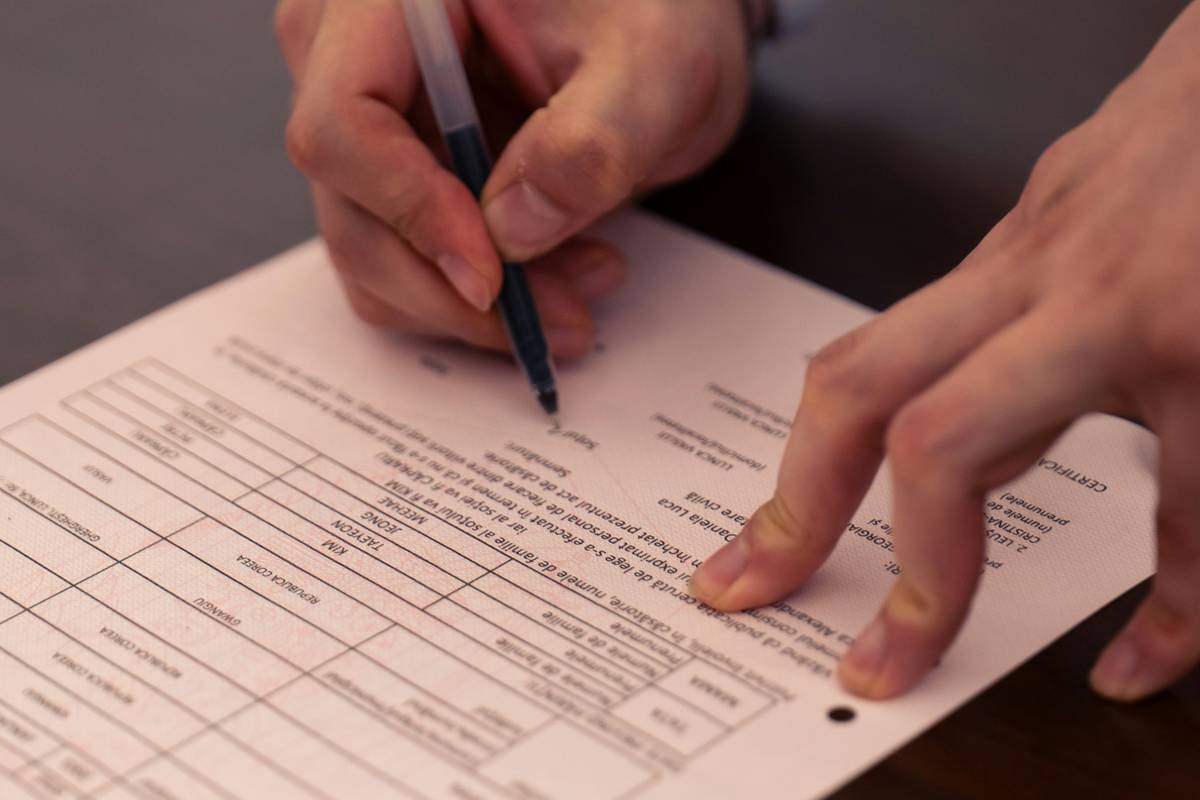
Step-by-Step Evidence Submission Process
Gather Core Documents
Collect: (1) Original transaction receipt or invoice, (2) Canceled shipment confirmation or delivery failure notice, (3) Merchant communication logs (emails/chat screenshots), and (4) Photo/video of the defective or wrong item—with visible date/time if possible.
Format for Clarity
Convert everything to PDF or JPG. Crop irrelevant parts. Highlight key info like order numbers with yellow boxes. Never submit password-protected files—banks won’t open them.
Submit Through Official Channels
Use your issuer’s online dispute portal (not email). Attach files directly. Note: Some Indian banks like HDFC and ICICI require evidence uploads within their mobile apps during the dispute initiation flow.
Best Practices for Bulletproof Documentation
- Timestamp everything: Use phone settings to embed date/time in photos. No metadata? Add a handwritten note beside the item stating the date.
- Verify receipt authenticity: Digital receipts must come from official merchant domains (e.g., @amazon.in, not a Gmail address).
- Summarize in a cover note: Write a 3-sentence timeline: “Ordered on [date] → Not delivered by promised date [date] → Contacted merchant on [date] with no resolution.”
- Avoid this terrible tip: Don’t “edit” receipts to fix typos—you risk accusations of fraud. If there’s an error, include an explanatory note instead.
Real Dispute Wins (and One Epic Fail)
Case 1 (Win): Priya from Bangalore disputed a ₹12,000 smartwatch purchase after receiving a counterfeit. She submitted: (a) Flipkart invoice, (b) Unboxing video with timestamp, (c) Brand authentication report from service center. Reimbursed in 18 days.
Case 2 (Loss): Rajesh uploaded a WhatsApp chat as “proof” of return request. Rejected—issuers only accept email or portal-based communication logs per Visa’s Core Rules. Moral: Know your network’s evidence standards (Visa’s official guide backs this).
Rant time: Why do some e-commerce sites auto-delete chat histories after 30 days? That’s sabotage! Always screenshot conversations immediately—even if you don’t plan to dispute yet.
Frequently Asked Questions
What’s the deadline to submit dispute evidence in India?
Most banks allow 60–120 days from transaction date, but RBI recommends acting within 30 days for faster resolution.
Can I use social media messages as evidence?
No. Issuers require verifiable channels like email or official support tickets. Social DMs lack audit trails.
Do I need a police complaint for high-value disputes?
Only for fraud cases above ₹25,000 as per NPCI guidelines. For standard purchase issues, it’s unnecessary.
How many times can I resubmit evidence?
Usually once—if initial submission is incomplete. Check your issuer’s policy via their About Us page for specifics.
Will my personal data be secure during submission?
Reputable issuers encrypt uploads. Review their data practices in the Privacy Policy before uploading sensitive docs.
Where can I get help if my dispute is denied unfairly?
Escalate to the Banking Ombudsman (rbi.org.in) with your original Dispute Evidence Submission Guide documentation.
Mistakes cost money—but clarity pays you back. Follow this roadmap, and you’ll turn dispute denials into wins. Still stuck? Our team at Indian Cards reviews real cases weekly—reach out.
Proof isn’t what you believe happened. It’s what you can prove happened.